
How Long Does a Spinal Cord Injury Take To Heal
Are you or a loved one suffering from spinal cord injury (SCI)? Over 15 million people are living with SCI globally and many face challenges that impact their daily lives. While some may never make a full recovery, some people do, or at the very least, make a partial return to health.
Here is everything you need to know about the recovery time and healing process of SCIs:
Understanding Spinal Cord Injury
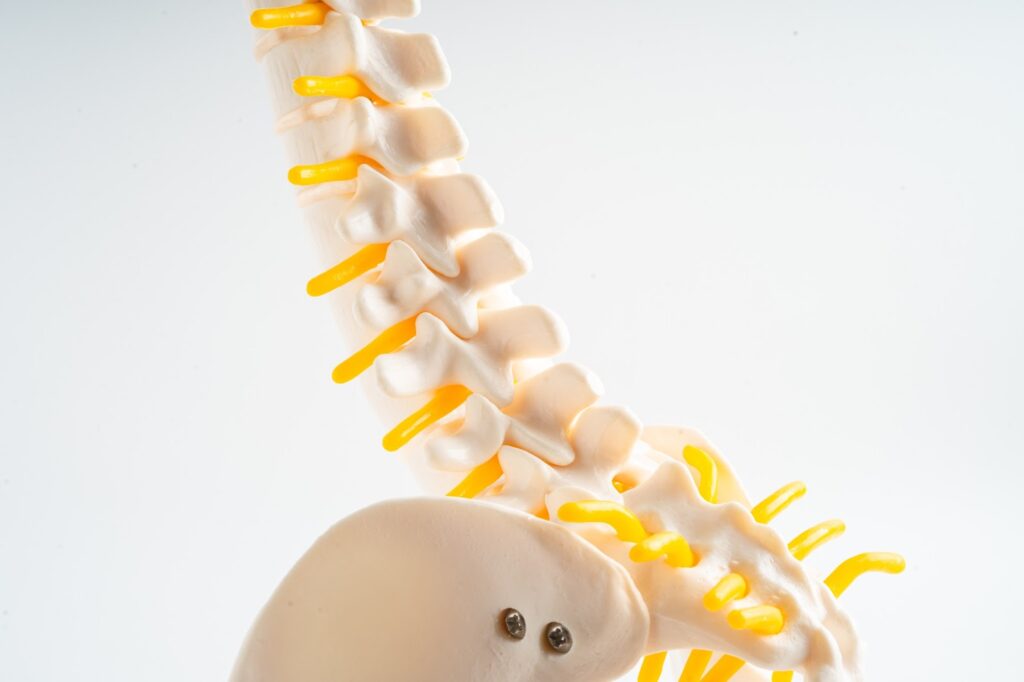
Spinal cord injuries are complex and life-altering. They impact the body’s ability to send signals between the brain and the rest of the body. They are categorised into two types: complete and incomplete.
A complete SCI occurs when all nerve signals are blocked at the injury site. This will result in total paralysis below the affected area. Meanwhile, an incomplete SCI retains some nerve function, offering the possibility of partial recovery.
These differences significantly influence the recovery time and healing process of SCIs.
How Long Does Recovery Take?
The healing timeline for a spinal cord injury is not a “one size fits all”. Recovery depends on the severity of the injury, the type of care and your overall health. In mild cases, recovery might take a few weeks or months with minimal intervention.
For moderate injuries, rehabilitation can take between 1-2 years with consistent physical and occupational therapy. Unfortunately, severe injuries may result in permanent impairment, requiring lifelong care and support.
However, it is essential to note that recovery does not always mean a full return to pre-injury abilities. For many, even small improvements can significantly enhance their quality of life.
The Healing Process
Acute Phase:
This stage takes place right after a spinal cord injury. Doctors will focus on stabilising the patient and minimising further damage. Swelling and inflammation might also occur, masking the full extent of the injury.
Surgical interventions like spinal cord decompression may be necessary to relieve pressure and prevent more damage.
Subacute Rehabilitation Phase:
This begins once the patient is deemed physiologically stable .
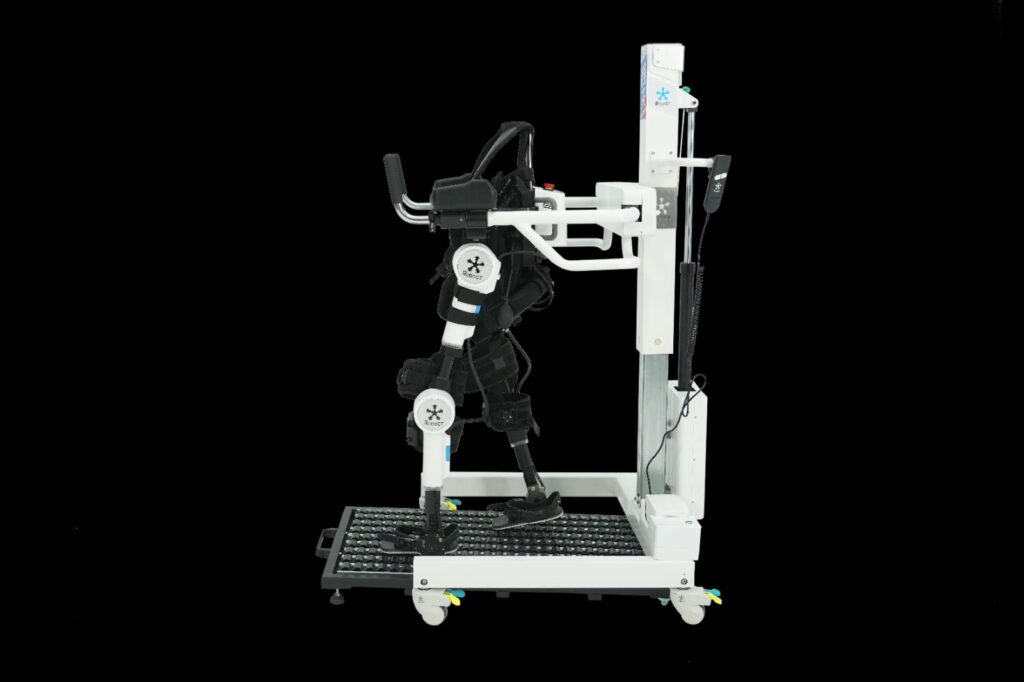
Therapies such as functional electrical stimulation (FES), neuroplasticity-based exercises and robotic exoskeleton-assisted therapy aim to rebuild strength and motor skills. Consistency is key, as this phase is crucial for regaining lost functions.
Chronic Phase:
Long-term recovery focuses on managing chronic symptoms like pain, spasticity or bladder dysfunction. Emerging treatments like stem cell therapy and epidural stimulation may also help in the future.
Nonetheless, these treatments still remain in experimental stages.
Factors That Influence Recovery

- Therapies and Rehabilitation: Regular occupational and physical therapy are crucial for maintaining movement and building strength. Techniques like assistive devices and robotic exoskeletons are game-changers in improving mobility.
- Individual Health: Factors like age, fitness level and pre-existing conditions can either accelerate or slow recovery. On the other hand, a healthy lifestyle, including good nutrition and sleep can enhance the body’s natural healing abilities.
- Medical Advancements: Emerging treatments like stem cell therapy and epidural stimulation are revolutionising spinal cord injury care. While still in experimental stages, these innovations offer hope for improved function and mobility.
- Support System: Social and emotional support goes a long way. They play a pivotal role in recovery, so it is important to find the right support system.
A strong network of family, friends and caregivers can provide encouragement and reduce stress, helping you adapt accordingly.
Coping With Life After SCI
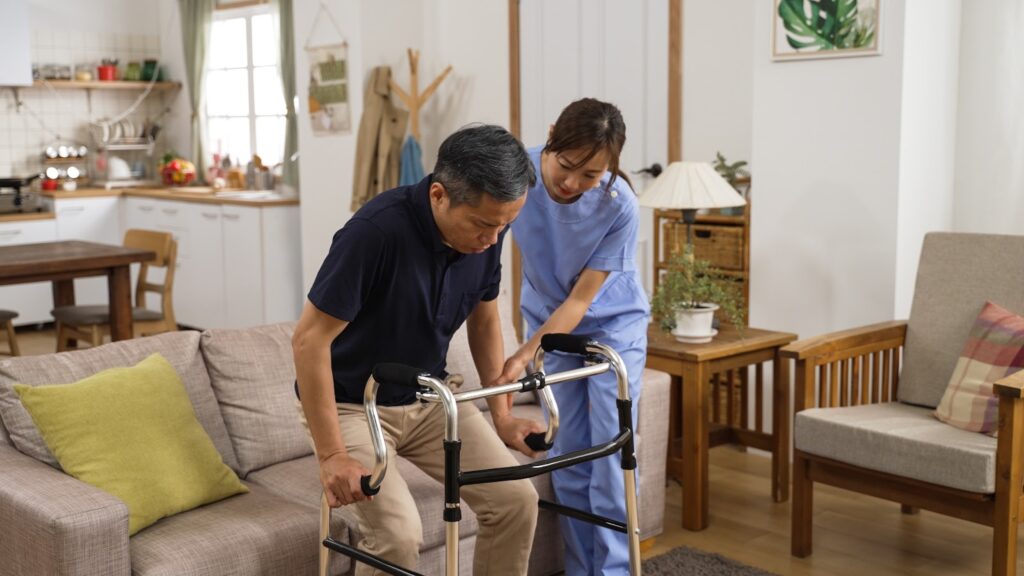
Beyond physical recovery, adapting to life with SCI requires emotional, lifestyle adjustments. Patients will usually rely on caregivers or family members to navigate daily routines. This includes everything from helping you move around to emotional encouragement.
Many also benefit from psychological counselling to process the emotional toll of such a life-altering injury.

Advances in SCI Treatment
The future of SCI recovery is filled with hope. With innovative treatments like stem cell therapy and epidural stimulation, nerves and motor function can be regenerated and restored respectively. Clinical trials show promising results, although widespread use is still in progress.
Assistive technologies such as robotic exoskeletons and functional electrical stimulation devices have already improved outcomes for many patients. They offer new levels of independence, helping patients move and do things without stressing the body.
FAQs About Spinal Cord Injury Recovery
- Can spinal cord injuries heal completely?
While complete recovery is rare for severe cases, many individuals with mild injuries experience significant improvements with proper care and rehabilitation.
- How long does it take to heal?
Mild injuries may take a few months to heal, while moderate to severe cases require years of rehabilitation and often result in partial recovery.
- What role do caregivers play in recovery?
Caregivers are critical to the recovery process, providing physical assistance and emotional support. They help patients with day-to-day adaptations to ensure a better quality of life.
Summary
Recovering from SCI is hard but not impossible. With the right mindset and support system, SCI patients can increase their chances of recovery by a significant amount. Just remember to be consistent and do not hesitate to look for help when needed.
Contact us to find out more!
Explore Our Product
Take a look at our collection of exoskeleton robot and devices that are focused in helping stroke patient back up on their feet.